Croatia Digital Nomad Visa: The Complete 2026 Guide
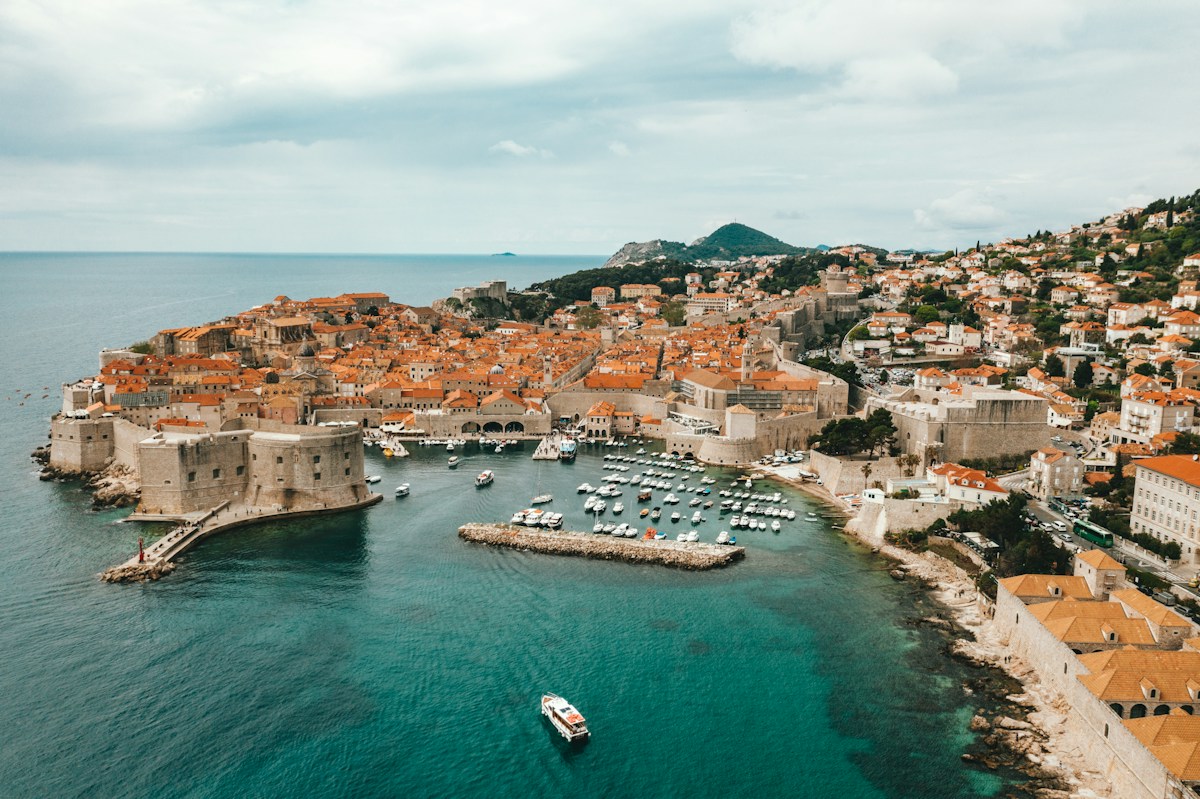
Croatia has quietly built one of the most attractive digital nomad programs in Europe. While countries like Portugal, Spain, and Estonia get most of the attention, Croatia introduced its digital nomad residence permit in January 2021 and has steadily improved it since. The latest update, which took effect in March 2025, extended the maximum stay from one year to 18 months and introduced the option to extend for another 18 months, giving remote workers the possibility of living in Croatia for up to three years.
The headline benefit is straightforward: income earned from remote work for foreign employers is exempt from Croatian income tax. Combined with a cost of living significantly lower than Western Europe, reliable internet infrastructure, and a Mediterranean coastline that stretches over a thousand islands, Croatia presents a compelling case for remote workers who want to base themselves in the EU.
But the program has real limitations. Time spent on the digital nomad permit does not count toward permanent residency or citizenship. After your permit expires, you must leave Croatia for at least 90 days before reapplying. And the income threshold has climbed to 3,295 euros per month as of May 2025, putting it out of reach for some freelancers. This guide covers who qualifies, what the process actually looks like, what it costs, and whether Croatia should be on your shortlist.
What Is Croatia's Digital Nomad Residence Permit?
Despite being commonly called a "visa," Croatia's digital nomad program is technically a temporary residence permit. The distinction matters because visas in Croatia refer to short-stay authorizations, while residence permits govern longer stays and come with a biometric residence card. The program was established under Croatia's Aliens Act and is administered by the Ministry of Interior (MUP).
The permit is designed exclusively for third-country nationals, meaning citizens of countries outside the EU, EEA, and Switzerland. If you hold an EU passport, you already have the right to live and work anywhere in the EU including Croatia, so this program is not relevant to you. The permit allows you to live in Croatia while working remotely for a company registered outside Croatia, or while running your own business that is not registered in Croatia. You cannot use this permit to work for Croatian employers or provide services to Croatian companies.
Since March 2025, the permit can be issued for up to 18 months in a single application. You can then apply for one extension of up to 18 months. After the extension expires, you must leave Croatia and spend at least 90 days outside the country before you can apply for a new digital nomad permit. The official government portal for applications is digitalnomadscroatia.mup.hr, where you can submit your application online.
Who Qualifies?
Eligibility for Croatia's digital nomad permit is relatively straightforward compared to programs in Spain or Germany, which require university degrees or professional experience thresholds. Croatia's requirements focus primarily on your work arrangement and financial capacity.
The main eligibility criteria are:
- You must be a non-EU, non-EEA, non-Swiss citizen with a valid passport that remains valid for at least three months beyond your intended stay.
- You must work remotely using communication technology for a company or clients registered outside Croatia, or operate your own business that is not registered in Croatia.
- You must earn at least 3,295 euros per month. Alternatively, you can demonstrate savings of at least 39,540 euros for a 12-month stay or 59,310 euros for an 18-month stay.
- If you include a spouse, unmarried partner, or minor dependents, the income requirement increases by 10 percent per additional family member.
- You must have private health insurance valid in Croatia that covers the entire permit period.
- You must have no criminal record, demonstrated by a government-issued background check from your home country.
- You must not provide any services to employers or companies registered in Croatia.
Unlike Spain's digital nomad visa, Croatia does not require a university degree or a minimum number of years of professional experience. There is no age limit. The program is open to employees, freelancers, and business owners alike, as long as the work and income originate from outside Croatia.
Step-by-Step Application Process
The application process varies depending on whether you need a visa to enter Croatia. Citizens of countries with visa-free access to Croatia (including the United States, Canada, United Kingdom, Australia, and many others) can enter Croatia as tourists and apply for the digital nomad permit from within the country at their local police station. If you need a visa to enter Croatia, you must apply through a Croatian embassy or consulate abroad.
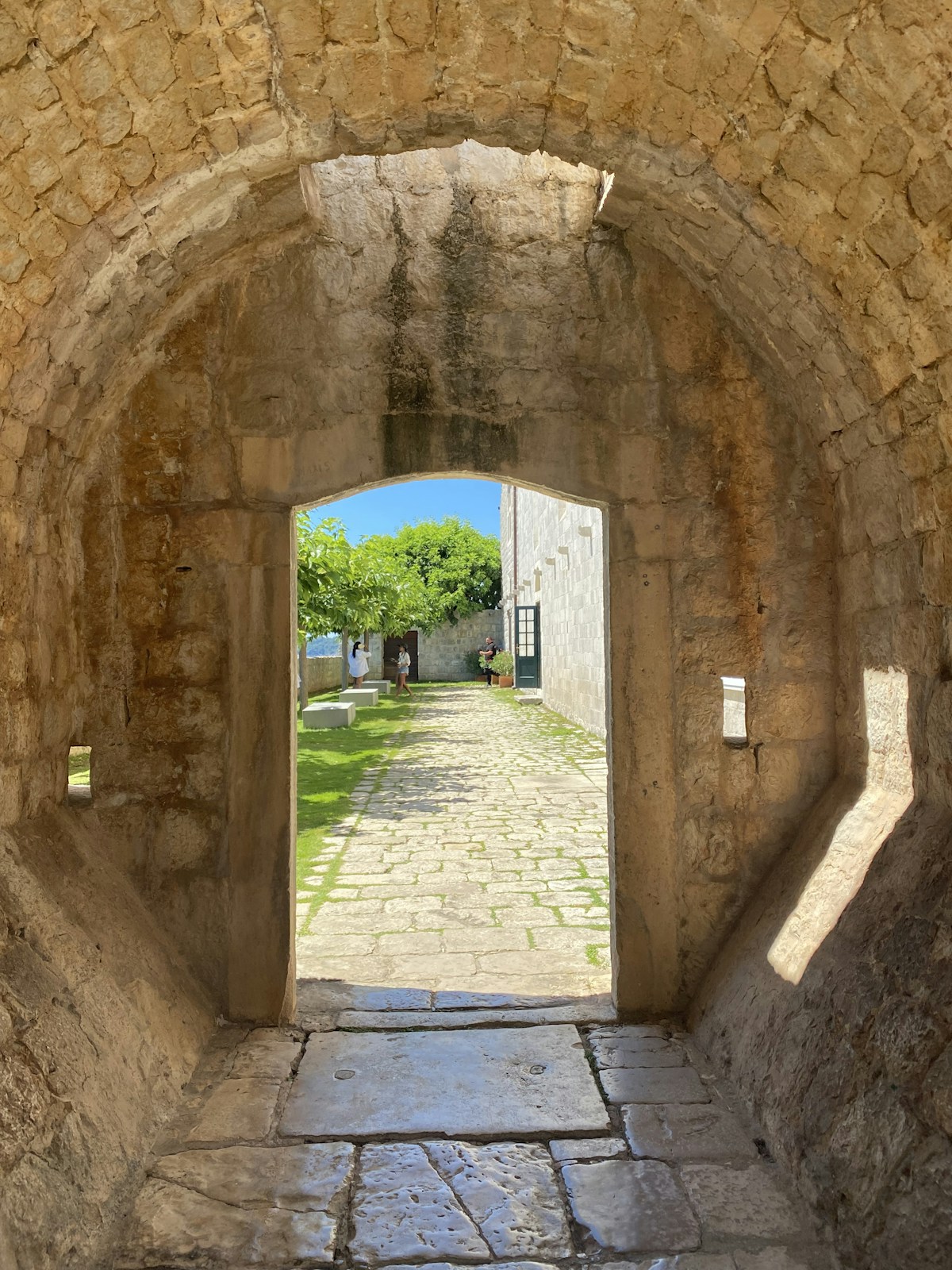
Here is the typical process for visa-free applicants:
- Gather your documents before arriving or shortly after. You will need: a completed application form (Obrazac 1a), your valid passport, two passport-size photos (30x35 mm), a criminal background check from your home country (apostilled and translated into Croatian), proof of remote work (employment contract, client invoices, company registration documents, or a letter from your foreign employer confirming remote work), proof of income or savings meeting the threshold, proof of private health insurance, and proof of accommodation in Croatia (a notarized rental contract or property ownership document).
- Submit your application. You can apply online through the official digital nomad portal at digitalnomadscroatia.mup.hr, or submit in person at the local police station (policijska postaja) in the municipality where you are staying.
- Wait for processing. The standard processing time is two to three months, though it can vary by location. During this period, avoid leaving Croatia if possible, as you may be contacted for additional documentation or an interview.
- Receive your approval. You will typically be notified by phone call, email, or a letter delivered to your registered Croatian address.
- Register your temporary address at the police station within 30 days of approval, using form Obrazac 16a and your notarized rental contract.
- Provide biometric data (fingerprints) and collect your temporary white card, which serves as proof of status while your biometric residence card is produced.
- Collect your biometric residence card approximately three weeks later.
Costs: What You Will Actually Pay
Government fees for Croatia's digital nomad permit are modest compared to most European alternatives. The application fee ranges from 100 to 150 euros for most nationalities, with exact amounts depending on your citizenship and where you apply. The biometric residence card fee is additional but similarly modest.
The real costs accumulate around document preparation. A criminal background check with apostille typically costs 50 to 150 euros depending on your home country, and you will need it translated into Croatian by a certified translator, which adds another 50 to 100 euros. If your employment contract or other supporting documents are not in English or Croatian, those need certified translation as well.
Private health insurance covering Croatia for 12 to 18 months is a significant ongoing expense. Policies that meet the requirement typically cost 30 to 100 euros per month, depending on your age, health status, and coverage level. Over an 18-month permit, that is 540 to 1,800 euros in insurance costs alone.
If you hire an immigration lawyer or relocation agent, professional fees generally range from 500 to 2,000 euros. While the process is manageable without professional help, the fact that many local police stations have limited English-language support makes a Croatian-speaking intermediary useful for some applicants.
All in, a single applicant should budget roughly 500 to 1,500 euros for the application itself (fees, documents, translations, insurance setup), plus ongoing monthly insurance costs. This is significantly cheaper than Spain, Portugal, or Germany, where document requirements and associated professional fees are more extensive.
Timeline: How Long Does It Take?
The timeline from decision to approved permit typically breaks down into three phases. Document preparation takes two to six weeks, depending on how quickly your home country issues criminal background checks and how much translation is needed. The apostille process for background checks varies widely: some countries issue them in days, others take weeks.
Application submission itself is quick once your documents are ready, especially if you use the online portal. Processing then takes two to three months on average, though some police stations in smaller cities have been known to process applications faster than those in Zagreb or Split.
After approval, registering your address and providing biometrics takes a few days, and the physical residence card arrives about three weeks later. From start to finish, most applicants report a total timeline of three to five months, with the processing wait being the longest segment.
If you are applying from abroad through an embassy, add additional time for appointment scheduling, which can add several weeks depending on the consulate's workload.
Croatia vs. Alternatives
Croatia's digital nomad permit competes most directly with Spain and Portugal, the two other major Mediterranean digital nomad destinations.
Spain's digital nomad visa requires a similar income threshold (approximately 2,763 euros per month as of late 2025) and offers access to the Beckham Law tax regime, which caps income tax at 24 percent for employed workers. Spain's permit is initially valid for one year with the option to extend to three years, and time spent in Spain counts toward permanent residency after five years. However, Spain requires a university degree or three years of professional experience, demands significantly more paperwork, and freelancers face a complicated Social Security registration process.
Portugal's D7 visa has a much lower income threshold (around 870 euros per month) and its D8 digital nomad visa requires approximately 3,480 euros per month, both leading to permanent residency eligibility after five years. Portugal offers a clear path to one of Europe's most valuable passports, but its NHR tax regime was replaced in 2024 with a narrower program that excludes most digital nomads.
Croatia's standout advantage is the complete income tax exemption on remote work earnings, which neither Spain nor Portugal can match. The trade-off is that Croatia offers no path to permanent residency through the digital nomad permit. If you want long-term European residency and a path to citizenship, Spain or Portugal serve that goal better. If you want a tax-efficient base for one to three years with lower costs of living, Croatia is hard to beat.
Common Pitfalls to Avoid
Applicants who run into trouble with Croatia's digital nomad permit typically make the same preventable mistakes:
- Arriving without a criminal background check. This document must come from your home country and must be apostilled. Getting it after you arrive means mailing requests internationally and waiting weeks. Obtain it before you travel.
- Using travel insurance instead of proper health insurance. Croatia requires private health insurance that covers the full duration of your stay. A standard travel insurance policy or a policy with a short coverage window will be rejected.
- Relying on Airbnb confirmations as proof of accommodation. The authorities require a notarized rental contract or proof of property ownership. Short-term booking confirmations from platforms do not qualify.
- Assuming the permit leads to permanent residency. It does not. The mandatory six-month gap between permits means you cannot accumulate continuous residence. If long-term settlement is your goal, you need a different visa category.
- Forgetting about home country taxes. Croatia will not tax your remote work income, but your home country almost certainly will. US citizens, for example, remain subject to IRS filing requirements regardless of where they live. Research your home country obligations before assuming you will pay zero tax.
- Not having documents translated into Croatian. While the online portal and some police stations operate in English, official documents submitted in other languages must be accompanied by certified Croatian translations. Submitting untranslated documents will delay your application.
Is Croatia's Digital Nomad Permit Right for You?
The ideal candidate for Croatia's digital nomad residence permit is a non-EU remote worker earning above 3,295 euros per month from foreign clients or employers, who wants a tax-efficient European base for one to three years without committing to a permanent relocation. You should value quality of life, Mediterranean climate, affordable living costs, and access to the Schengen area over a long-term immigration pathway.
If you are a freelancer or remote employee earning comfortably above the threshold, and you do not need your time abroad to count toward permanent residency or citizenship, Croatia offers one of the best deals in Europe. The tax exemption alone can save thousands of euros per year compared to programs in Spain, Germany, or the Netherlands. Combined with a cost of living roughly 30 to 40 percent lower than Western European capitals, your effective savings rate can be substantial.
If your priority is building toward EU citizenship, Croatia's digital nomad permit is not the right tool. Look instead at Portugal's D7, Spain's digital nomad visa, or Germany's EU Blue Card, all of which offer clear residency timelines leading to permanent status and eventually citizenship. But if you want a year or two of productive, affordable, tax-free living on the Adriatic coast, Croatia deserves serious consideration.
Explore Croatia's digital nomad permit alongside dozens of other European and global visa routes in our visa explorer to find the path that fits your income, goals, and timeline.
Related Visa Routes
Explore More Visa Routes
Discover visa pathways that match your profile and goals.
Open Visa Explorer →