Germany's EU Blue Card: Europe's Answer to the H-1B
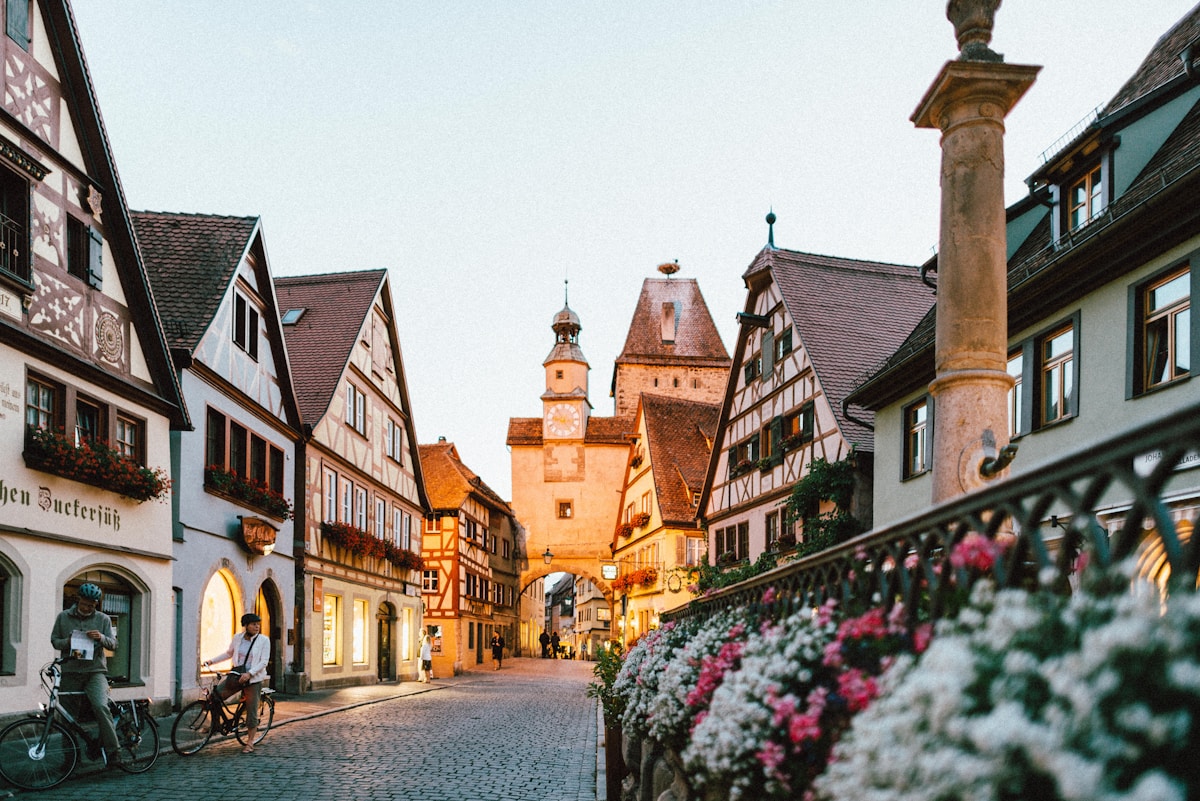
Germany is the economic powerhouse of Europe and has been issuing more EU Blue Cards than any other EU member state — consistently over 60% of all EU Blue Cards issued annually. For skilled professionals wanting to work in Europe, Germany is the most accessible, most documented, and most active Blue Card market.
The EU Blue Card is Europe's premium work visa for highly qualified non-EU nationals. After major reforms enacted in Germany in 2023 (implementing the EU's updated Blue Card Directive), the salary thresholds dropped, more occupations became eligible, and pathways to permanent residency became faster.
Here's the complete post-reform picture.
What Is the EU Blue Card?
The EU Blue Card (Blaue Karte EU) is a work and residence permit for non-EU/EEA nationals who have a university degree (or equivalent) and a job offer in an EU member state meeting certain salary thresholds. It's not the same as an H-1B — there's no lottery and no annual cap — but it requires a qualifying job offer.
Germany's Blue Card is formally called "Blaue Karte EU" and is issued by the local Foreigners' Authority (Ausländerbehörde) after entry on a national visa. It's typically valid for 4 years (or until the employment contract ends, plus 3 months).
2023 Reforms: What Changed
Germany's implementation of the revised EU Blue Card Directive brought three major improvements:
Lower salary thresholds: the general threshold dropped from the pre-reform level and is now €45,300 gross per year (2025 figure, adjusted annually). For shortage occupations (IT, engineering, mathematics, natural sciences, medicine, nursing), the threshold is even lower at approximately €41,042.
Broader eligible occupations: the shortage occupation list was expanded. Critically, IT specialists with demonstrated vocational experience (but without a formal degree) can now qualify — a significant change from the previous strictly degree-based requirement.
Faster permanent residency: permanent settlement is now possible in 33 months (previously 5 years) for Blue Card holders, and only 21 months if you have B1 German language certification.
Salary Requirements in Practice
The threshold figures are gross annual salary — before tax and social contributions. To put them in context:
€45,300/year = ~€3,775/month gross. After German income tax and social security (health, pension, unemployment, care insurance — typically 35–42% for this income bracket), take-home pay is roughly €2,300–€2,500/month.
For shortage occupations at €41,042: threshold is lower, and the occupation list includes software developers, data scientists, civil and mechanical engineers, physicians, and nurses among others.
Germany's cost of living varies significantly by city: Munich and Frankfurt are expensive, while Leipzig, Dresden, and Nuremberg have substantially lower costs.
University Degree Requirement — and the Exception
The standard Blue Card requires a recognized university degree. Foreign degrees must be recognized — checked via the Anabin database — or you need a Statement of Comparability from the German Academic Exchange Service.
The 2023 reform exception: IT specialists without a formal degree who can demonstrate at least 3 years of relevant professional experience in the last 7 years can qualify for the Blue Card if their job offer meets the shortage occupation salary threshold. This is a significant opening for self-taught engineers and career-changers.
Some degrees may require additional credential evaluation. The anabin.kmk.org database lets you check whether your specific university and degree are recognized in Germany.
Blue Card vs. German National Skilled Worker Visa
Germany has both the EU Blue Card and its own national Skilled Worker Visa (Fachkräftevisa). Which to choose?
EU Blue Card advantages: faster permanent residency path (21–33 months), EU mobility (can move your Blue Card to another EU country more easily), and you can bring family immediately.
National Skilled Worker Visa: can cover more occupations and income levels, including lower-paid roles that wouldn't meet the Blue Card threshold. Also allows vocational training equivalents more flexibly.
For most tech workers, engineers, and professionals earning above the threshold: EU Blue Card is the better choice due to the faster PR path.
Family Reunification
Blue Card holders can bring their spouse and dependent children to Germany. The unique advantage: your spouse receives immediate work authorization — no separate work permit application, no waiting period. They can start working from day one.
This compares very favorably to the US, where H-1B dependants (H-4 holders) only recently gained limited work authorization, and to some other European countries where spousal work rights require additional steps.
Path to Permanent Residency
This is where the 2023 reforms made the biggest impact:
- 33 months of continuous Blue Card employment → eligible for permanent settlement (Niederlassungserlaubnis).
- 21 months with B1 German language certification → eligible for permanent settlement.
For comparison: the standard German Niederlassungserlaubnis for other visa types requires 5 years, and full naturalization to German citizenship requires 5 years of residence (reduced from 8 years after 2024 reforms) with a strong integration record.
EU mobility: as an EU Blue Card holder, you have an easier path to move your permit to another EU country. After 18 months in Germany, you can apply for an EU Blue Card in another member state without starting over.
Tips for Tech Workers Targeting Germany
Berlin has a large and active startup ecosystem — Delivery Hero, Zalando, SumUp, and numerous VC-backed startups are based there. English-language work environments are common.
Munich is Germany's highest-paying tech market (and most expensive city) — headquarters of BMW, Siemens, MAN, and many global tech companies. Salary expectations are higher but so are costs.
Hamburg is a strong market for digital media, logistics tech, and ecommerce. More affordable than Munich.
German language: you don't need German to get the Blue Card or to work in many English-first tech roles. But B1 German unlocks faster permanent residency (21 months) and vastly broader job opportunities. Starting German lessons early is high-value.
Explore Germany and other European visa options in our visa explorer.
Related Visa Routes
Explore More Visa Routes
Discover visa pathways that match your profile and goals.
Open Visa Explorer →